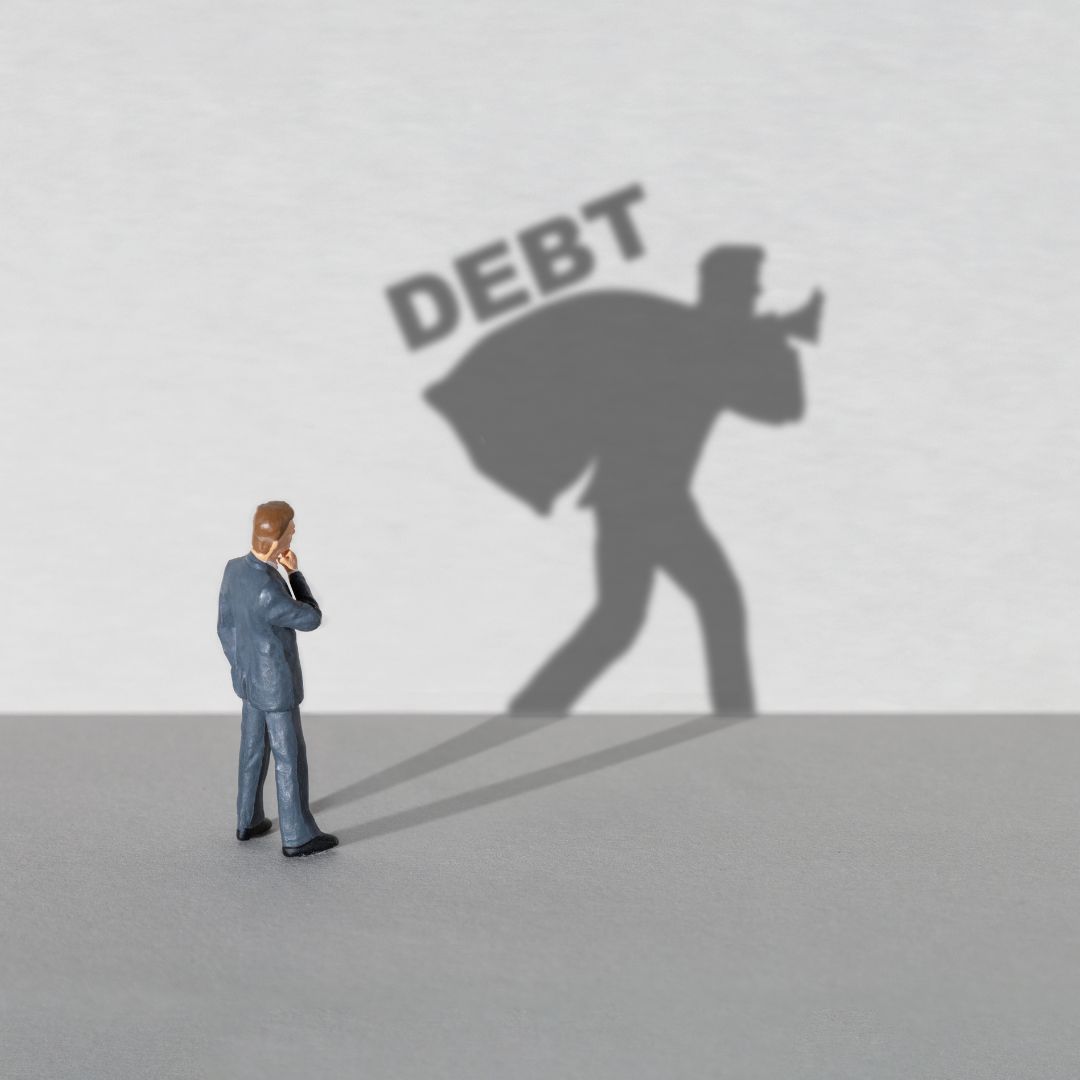
Managing debt
Managing debt while receiving benefits requires careful planning and strategic actions to ensure financial stability. Here are some steps to help you manage debt effectively while on benefits:
1. Understand Your Benefits:

- Know Your Entitlements: Ensure you are receiving all the benefits you are entitled to. This might include unemployment benefits, housing benefits, or disability benefits.
- Budgeting: Create a budget to understand your income and expenses. Include all your benefits as part of your income.
2. Prioritize Your Debts:
- List All Debts: Make a comprehensive list of all your debts, including interest rates, minimum payments, and due dates.
- Prioritize Payments: Focus on paying off high-interest debts first, such as credit card debt. Also, prioritize essential expenses like rent, utilities, and food.
3. Communicate with Creditors:
- Negotiate Payment Plans: Contact your creditors to discuss your situation. Many creditors offer hardship programs, reduced payment plans, or temporary payment suspensions.
- Explain Your Situation: Be honest about your financial situation and provide documentation if necessary.
4. Explore Debt Relief Options:
- Debt Management Plan (DMP): Consider enrolling in a DMP through a nonprofit credit counseling agency. They can help you consolidate your debts into one monthly payment.
- Debt Consolidation Loan: If possible, obtain a loan to pay off multiple debts, leaving you with a single payment to manage.
- Debt Settlement: As a last resort, negotiate with creditors to settle your debts for less than you owe. Be aware this can negatively impact your credit score.
5. Maximize Your Income:
- Part-Time Work: If possible, seek part-time employment to supplement your benefits. Ensure that any additional income does not disqualify you from receiving benefits.
- Side Gigs: Explore side gigs or freelance opportunities that align with your skills and availability.
6. Cut Unnecessary Expenses:
- Reduce Non-Essential Spending: Cut back on non-essential expenses such as dining out, subscriptions, and entertainment.
- Find Discounts: Look for discounts on necessary expenses, such as groceries and utilities.
7. Seek Professional Advice:
- Credit Counseling: Get advice from a certified credit counselor to help you create a debt management plan tailored to your situation.
- Financial Advisor: If possible, consult a financial advisor who can provide personalized advice based on your circumstances.
8. Utilize Community Resources:
- Food Banks and Charities: Use local food banks, charities, and community organizations that provide support for low-income individuals.
- Housing Assistance: Look for programs that offer rental assistance or housing subsidies.
9. Monitor Your Progress:
- Track Your Spending: Regularly track your spending to ensure you stay within your budget.
- Adjust as Needed: Be flexible and adjust your budget and debt repayment plan as your financial situation changes.
10. Stay Informed:
- Keep Updated: Stay informed about changes to benefit programs that might affect your income.
- Financial Education: Educate yourself about personal finance and debt management strategies.
By taking these steps, you can manage your debt more effectively while receiving benefits, ultimately working towards financial stability and reducing your debt burden.